

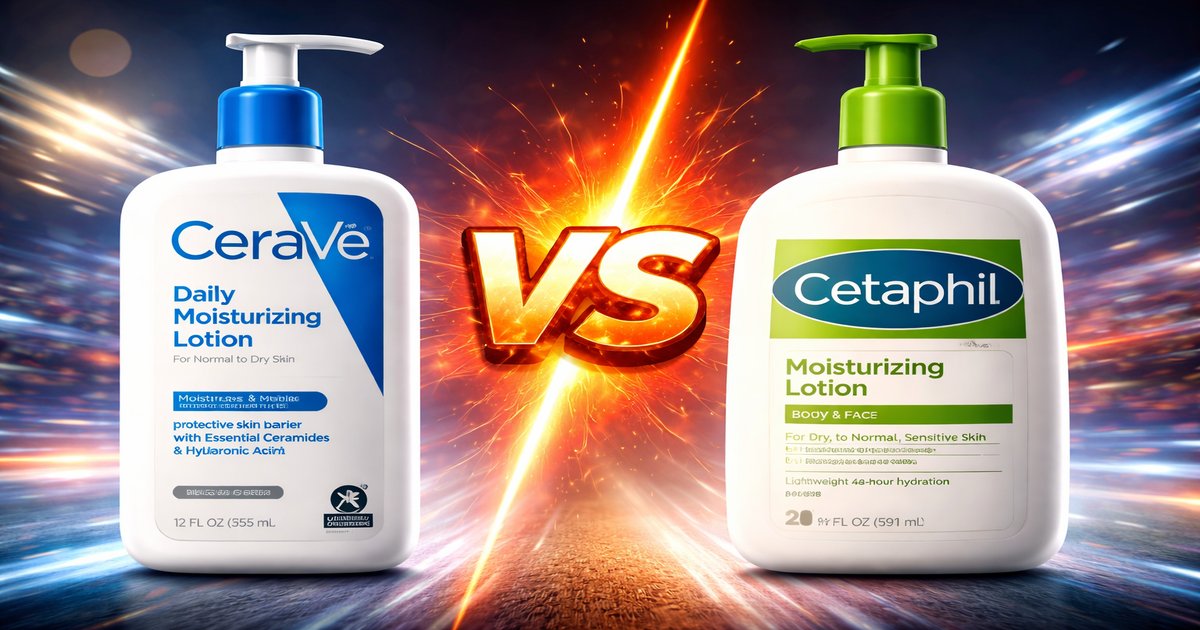
You’re staring at your bathroom shelf, trying to decide between CeraVe and Cetaphil. Both brands boast cult followings, but which one will truly cater to your skin’s unique needs? Let’s break it down so you can make the best choice for your skincare routine.
| Feature | CeraVe | Cetaphil |
|---|---|---|
| Ingredients | Hyaluronic Acid, Ceramides | Niacinamide, Panthenol |
| Fragrance-Free | ✓ | ✓ |
| Suitable for Sensitive Skin | ✓ | ✓ |
| SPF Options | ✗ | ✓ |
| Texture | Thick Cream | Light Lotion |
| Price Range | $$ | $$$ |
✅ cerave Pros
- Contains ceramides that strengthen skin’s natural barrier.
- Highly moisturizing; great for dry skin.
- Affordable price point.
❌ cerave Cons
- Can feel greasy for oily skin types.
- Lacks SPF options.
✅ cetaphil Pros
- Lightweight and easily absorbed.
- Includes SPF in some products.
- Gentle enough for everyday use on sensitive skin.
❌ cetaphil Cons
- Higher price point compared to CeraVe.
- May not provide enough moisture for very dry skin.
Performance
CeraVe is a powerhouse when it comes to hydration. If your skin feels like the Sahara desert, CeraVe’s thick cream consistency and ceramide content will quench its thirst. However, if you have oily skin, you might find it a bit too heavy. On the flip side, Cetaphil’s lightweight lotion is perfect for those with combination or oily skin. It absorbs quickly, leaving no trace behind, making it a great choice for layering under makeup or sunscreen.
Build Quality
Both CeraVe and Cetaphil have robust formulations, but they cater to different needs. CeraVe’s inclusion of hyaluronic acid and ceramides is a game-changer if you’re focusing on repairing and maintaining your skin barrier. Cetaphil, with its niacinamide and panthenol, offers a soothing experience, particularly for those with sensitive or irritated skin. Their build quality translates to reliable performance, but your skin type will determine which formulation is more effective for you.
Value
CeraVe delivers excellent value for money, especially if you’re on a budget but still want quality skincare. The price-to-performance ratio is hard to beat. Cetaphil, while more expensive, offers added benefits like SPF and a lighter texture, which can justify its higher cost if those are important to you. If you’re looking to streamline your skincare routine with multi-functional products, Cetaphil might give you that edge.
What most reviews won’t tell you is that both brands can cause breakouts if you’re not careful. Despite being marketed for sensitive skin, some users find that certain formulations might still irritate. Patch test before going all-in, especially if you have reactive skin. Also, don’t expect miracles overnight; consistent use is key with both products.
Our Final Verdict: Which One Should You Buy?
For those with dry or very dry skin, CeraVe is your best bet. Its hydrating formula with ceramides will keep your skin feeling plump and healthy. If you’re dealing with oily or sensitive skin, or if you want a daily moisturizer with SPF, Cetaphil is the way to go. Each has its niche, so think about what your skin truly needs before making a choice.
Is CeraVe suitable for acne-prone skin?
Yes, but it’s best to start with a patch test. CeraVe’s non-comedogenic formula typically works well for acne-prone skin, but individual reactions can vary.
Can Cetaphil be used on eczema?
Yes, Cetaphil is often recommended for eczema due to its gentle, non-irritating formula. However, severe cases should be discussed with a dermatologist.
How long does it take to see results with these products?
Results can vary, but most users start noticing improvements in skin texture and hydration within 2-4 weeks of consistent use.