

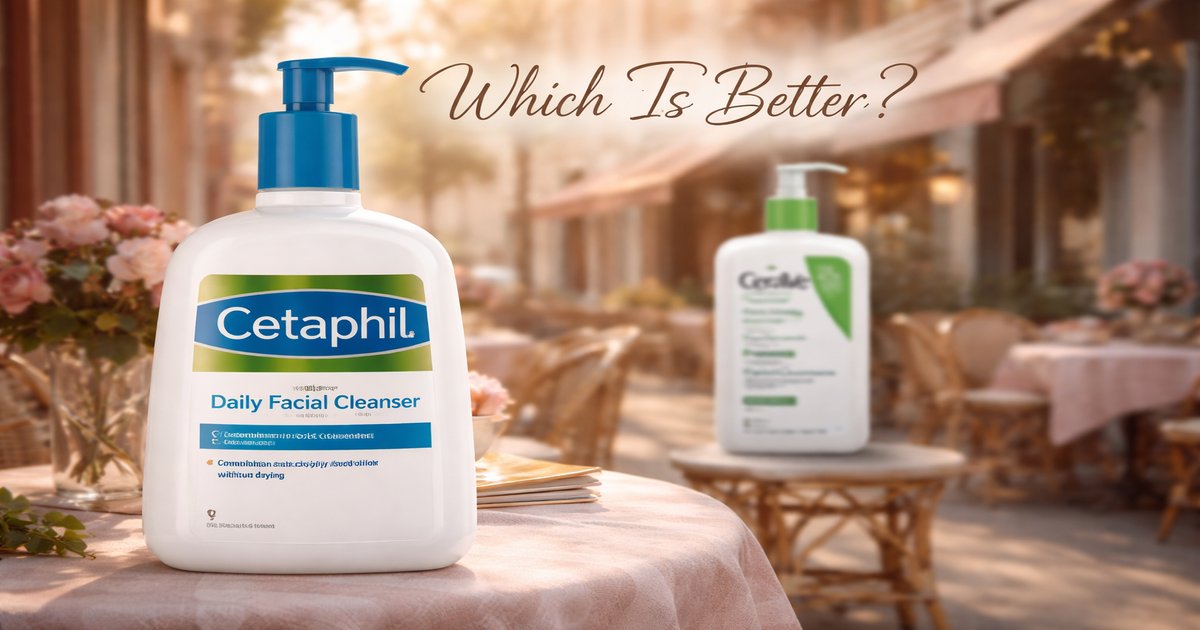
You’ve probably stood in the skincare aisle, overwhelmed by the countless options, wondering which moisturizer is right for you. Cetaphil and CeraVe are often recommended by dermatologists, but do they live up to the hype? Let’s dig into the details to see which one deserves a spot in your skincare routine.
| Feature | Cetaphil | CeraVe |
|---|---|---|
| Key Ingredients | Glycerin, Panthenol | Ceramides, Hyaluronic Acid |
| Moisturizing Effect | Medium | High |
| Non-Comedogenic | ✓ | ✓ |
| Fragrance-Free | ✓ | ✓ |
| SPF Protection | ✗ | ✓ |
| Price Range | $$ | $$$ |
✅ cetaphil Pros
- Gentle on sensitive skin
- Widely available and affordable
- Non-greasy formula
❌ cetaphil Cons
- Less hydrating for very dry skin
- Lacks active ingredients like ceramides
✅ cerave Pros
- Contains ceramides for skin barrier support
- Highly moisturizing, ideal for dry skin
- Broad-spectrum SPF options available
❌ cerave Cons
- Typically more expensive
- Heavier formula might not suit oily skin
Performance: Moisturizing Power
CeraVe is the powerhouse when it comes to hydration, thanks to its ceramide-rich formula. If your skin is drier than a desert, CeraVe will be a lifesaver, offering a long-lasting, deep moisturizing effect. Cetaphil, while also hydrating, provides a more balanced moisture level that works well for those with normal to slightly dry skin. It’s less intense, so if you’re not facing harsh winters or constantly battling dry patches, Cetaphil will keep your skin feeling fresh without overloading it.
Build Quality: Texture and Feel
Cetaphil’s lightweight, non-greasy texture makes it a winner for those who despise the feeling of heavy creams. It absorbs quickly and leaves no residue, which is great if you’re layering under makeup. CeraVe, on the other hand, has a thicker consistency, which can feel a bit heavy but ensures those ceramides are doing their job. The trade-off here is between a lightweight feel and long-lasting hydration, so consider what you’re prioritizing in your routine.
Value: Cost vs. Benefits
Cetaphil typically comes at a lower price point, which is appealing if you’re budget-conscious. It gets the job done without breaking the bank, making it a smart choice for daily use. CeraVe, however, justifies its higher price by packing in more specialized ingredients like hyaluronic acid and SPF options. If you’re looking for more than just basic hydration or need multifaceted skincare benefits, CeraVe’s higher cost might be well worth it.
Cetaphil and CeraVe both market themselves as dermatologically tested, but that doesn’t mean they’re universally perfect. Cetaphil might not cut it during harsh winters for severely dry skin, while CeraVe can feel too heavy for acne-prone individuals. Always patch test new products to avoid any unexpected reactions.
Our Final Verdict: Which One Should You Buy?
If you’re someone with sensitive skin looking for a gentle, no-fuss daily moisturizer, Cetaphil is your go-to. It’s affordable, effective, and won’t clog your pores. On the other hand, if you need intense hydration and are willing to invest a bit more for advanced ingredients like ceramides and hyaluronic acid, CeraVe will serve you well. Ideal for dry skin or those needing SPF in their routine. Choose based on your specific skin needs and budget.
Can I use Cetaphil or CeraVe on acne-prone skin?
Yes, both are non-comedogenic, meaning they won’t clog pores. However, CeraVe is often preferred due to its skin-repairing ingredients.
Is CeraVe worth the higher price?
If your skin requires intense hydration or benefits from ceramides and SPF, the investment is worthwhile. Otherwise, Cetaphil will suffice for basic hydration needs.
How long does a bottle of Cetaphil or CeraVe typically last?
A standard bottle should last about 2-3 months with daily use, but this can vary based on how much product you apply each time.