

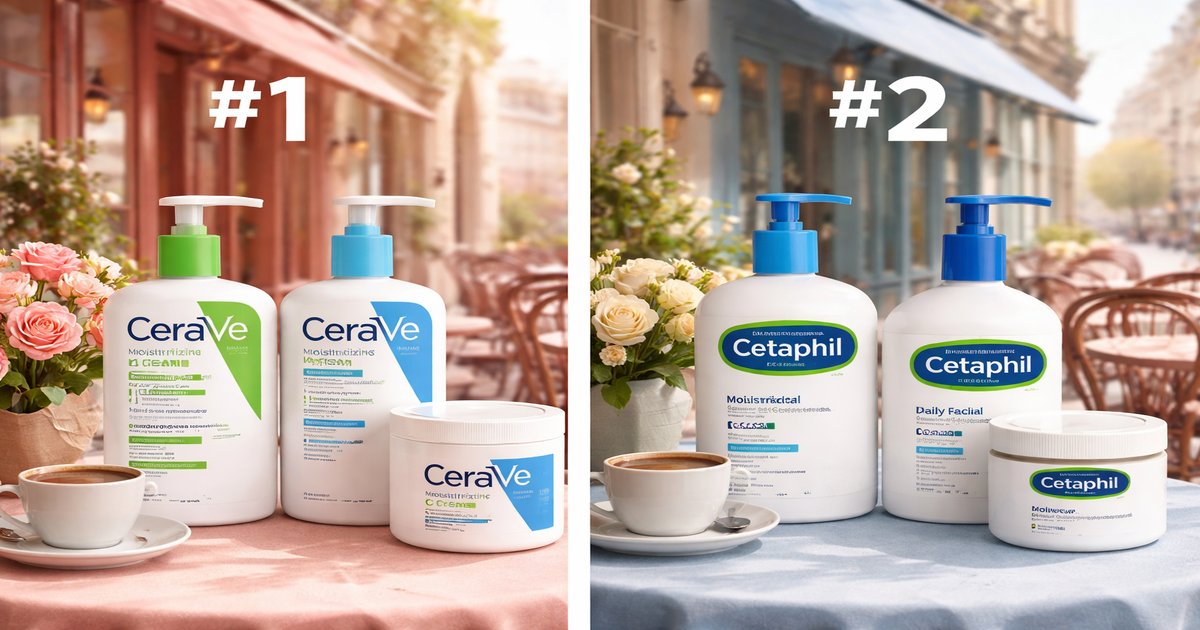
You’re staring at the skincare aisle, overwhelmed by an army of bottles all promising the best for your skin. You’ve narrowed it down to CeraVe and Cetaphil, but how do you choose? Let’s break down these skincare giants to see which one deserves a place in your daily routine.
| Feature | CeraVe | Cetaphil |
|---|---|---|
| Hydrating Ingredients | Ceramides, Hyaluronic Acid | Glycerin, Vitamin E |
| Non-Comedogenic | ✓ | ✓ |
| Fragrance-Free Options | ✓ | ✓ |
| Suitable for Sensitive Skin | ✓ | ✓ |
| Skin Type Focus | Dry, Normal, Oily | All Skin Types |
| SPF Options | ✓ | ✗ |
✅ cerave Pros
- Contains ceramides and hyaluronic acid for deep hydration.
- Offers products with SPF protection.
- Tailored options for different skin types.
❌ cerave Cons
- Can be slightly more expensive than Cetaphil.
- Some find it takes longer to absorb.
✅ cetaphil Pros
- Affordable and widely available in stores.
- Gentle on extremely sensitive skin.
- Fast absorption, ideal for quick routines.
❌ cetaphil Cons
- Lacks specific ingredients like ceramides for targeted hydration.
- No SPF options available.
Performance: Hydration and Skin Feel
CeraVe stands out with its inclusion of ceramides and hyaluronic acid, making it a top choice for those with dry or compromised skin barriers. It promises a more intensive hydration experience, though it might leave a slight residue initially. Cetaphil, on the other hand, is your go-to for a no-nonsense, quick-absorbing moisturizer that doesn’t leave any residue. If you’re in a hurry and need a reliable product that won’t weigh you down, Cetaphil delivers speed and efficiency.
Build Quality: Ingredients and Formulation
CeraVe’s formulation is all about the science of skincare, focusing on repairing and maintaining the skin barrier with ceramides. It’s a more specialized approach, which is reflected in its slightly higher cost. Cetaphil goes for the broad appeal, offering a gentle formulation that includes glycerin and vitamin E, making it suitable for almost everyone, especially those with sensitive skin. Its simpler formula means fewer frills but consistent results.
Value: What You Get for Your Money
CeraVe is a bit pricier, but you’re paying for targeted skincare technology that’s especially beneficial if you have specific skin concerns. It’s like investing in a high-quality tool made for a particular job. Cetaphil, however, is the budget-friendly workhorse that gets the job done without any fuss. It’s perfect if you’re looking for a reliable product at a lower price point, especially if you don’t need the added benefits of specific active ingredients.
While both brands are dermatologically tested, neither is a miracle worker. CeraVe, with its deeper hydration, can be overkill for oily skin types if used excessively. Cetaphil’s simplicity is its strength, but it might not be enough if your skin needs more intensive care. Always patch test new products, especially if you have sensitive skin.
Our Final Verdict: Which One Should You Buy?
If you have dry skin or specific concerns like a weakened skin barrier, CeraVe is your champion with its advanced hydration technology. It’s for those who prefer a bit more science in their skincare. For everyone else, especially if you’re just looking for a reliable everyday moisturizer without breaking the bank, Cetaphil is your go-to. It’s perfect for those with sensitive skin who need something gentle and effective.
Is CeraVe better for dry skin?
Yes, CeraVe is formulated with ceramides and hyaluronic acid, which are excellent for providing extra hydration and repairing the skin barrier.
Can Cetaphil be used on oily skin?
Absolutely, Cetaphil is non-comedogenic and works well for all skin types, including oily skin, without causing breakouts.
Does Cetaphil offer sun protection?
No, Cetaphil’s product line does not include options with SPF. You will need a separate sunscreen for UV protection.