

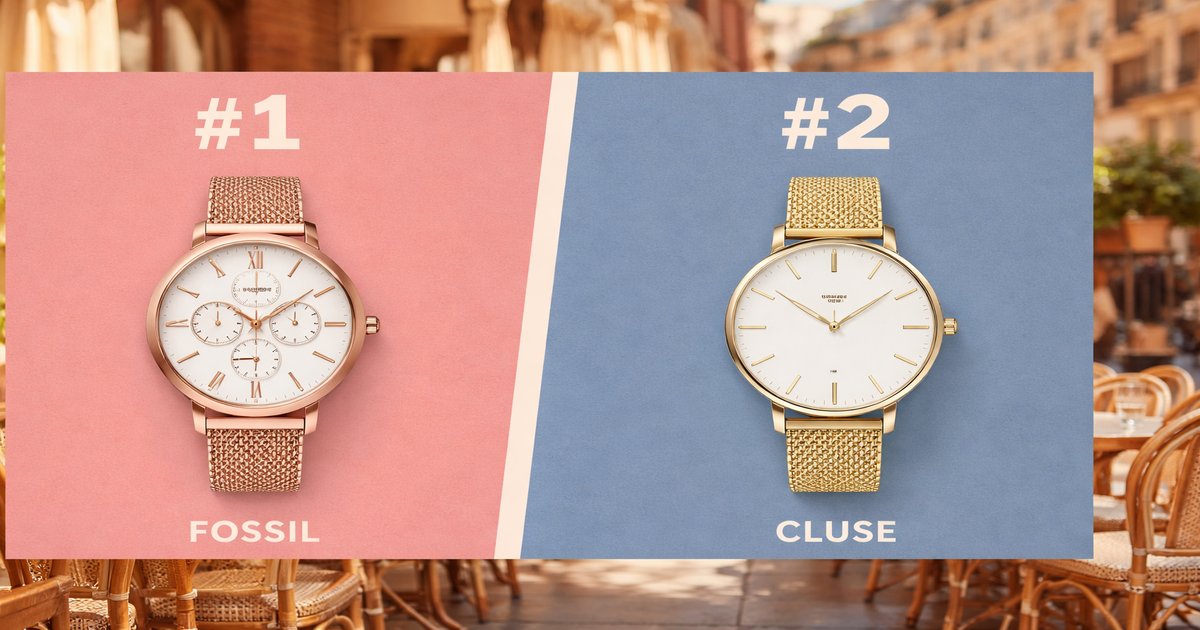
So, you’re in the market for a new watch and torn between Fossil and Cluse. Both brands offer stylish timepieces that don’t break the bank, but which one is the perfect fit for your wrist and lifestyle? Let’s dive into the specs and see where each shines.
| Feature | Fossil | Cluse |
|---|---|---|
| Price Range | $100 – $300 | $90 – $200 |
| Material Options | Stainless Steel, Leather | Stainless Steel, Leather |
| Smart Features | ✓ | ✗ |
| Water Resistance | Up to 50m | Up to 30m |
| Design Variety | High | Moderate |
| Warranty | 2 Years | 2 Years |
✅ fossil Pros
- Wide range of smart features including notifications and fitness tracking.
- Higher water resistance, suitable for swimming.
- Extensive design options to suit every style.
❌ fossil Cons
- Pricier, especially the models with advanced features.
- Can feel bulky for those with smaller wrists.
✅ cluse Pros
- Affordable price point without sacrificing style.
- Sleek and minimalist designs perfect for everyday wear.
- Lightweight, comfortable for all-day wear.
❌ cluse Cons
- Lacks smart features, purely a fashion watch.
- Lower water resistance, not suitable for water activities.
Performance and Smart Features
If you’re someone who likes the idea of having a mini smartphone on your wrist, Fossil is your go-to. These watches offer a range of smart features such as notifications, music controls, and fitness tracking. Picture yourself on a run, and you need to skip a track—Fossil has you covered. Cluse, on the other hand, is all about keeping it classic. With no smart features, it’s a straightforward timepiece that focuses on style and simplicity. If you’re looking for tech, Cluse won’t cut it.
Build Quality and Design
Both Fossil and Cluse deliver in the design department, but they cater to slightly different tastes. Fossil has a more robust build with a variety of materials and a higher water resistance, making it a bit more versatile for an active lifestyle. Whether you’re heading to a business meeting or for a swim, Fossil stands up to the challenge. Cluse is all about minimalism, with slim profiles and elegant designs perfect for a night out or a day at the office. If lightweight and chic is your style, Cluse is your match.
Value for Money
When it comes to value, it’s a matter of what you prioritize. Fossil offers more bang for your buck if you’re looking at functionality and durability. The smart features and rugged build justify the higher price tag. Cluse, however, offers excellent value if your focus is on fashion and affordability. It doesn’t try to be something it’s not, and for the price, you’re getting a perfectly stylish watch that does its primary job well.
Watch out for hidden costs when opting for Fossil’s smart models—app subscriptions and potential repairs can add up. Cluse’s lower water resistance means you’ll want to be extra careful in wet conditions. Neither brand is perfect, but knowing these limitations can save you some headaches down the line.
Our Final Verdict: Which One Should You Buy?
If you’re a tech-savvy individual who appreciates functionality alongside style, Fossil is the way to go. It’s perfect for someone who values smart features and needs a watch that can keep up with a dynamic lifestyle. On the flip side, if you’re more about the aesthetics and want something simple, stylish, and affordable, Cluse is your best bet. It’s ideal for those who prefer a minimalist design and aren’t fussed about the extra bells and whistles.
How does the fit of Fossil compare to Cluse?
Fossil watches tend to be bulkier, which can be a bit cumbersome on smaller wrists, whereas Cluse offers a slimmer, more lightweight design that fits comfortably on most wrist sizes.
Are Fossil smartwatches compatible with all smartphones?
Fossil smartwatches are generally compatible with both Android and iOS devices, but it’s always good to double-check specific models for full compatibility details.
How long do these watches typically last?
Both Fossil and Cluse offer a two-year warranty, which is a good indicator of longevity. With proper care, both brands can last several years, though smart features may require more frequent maintenance.