

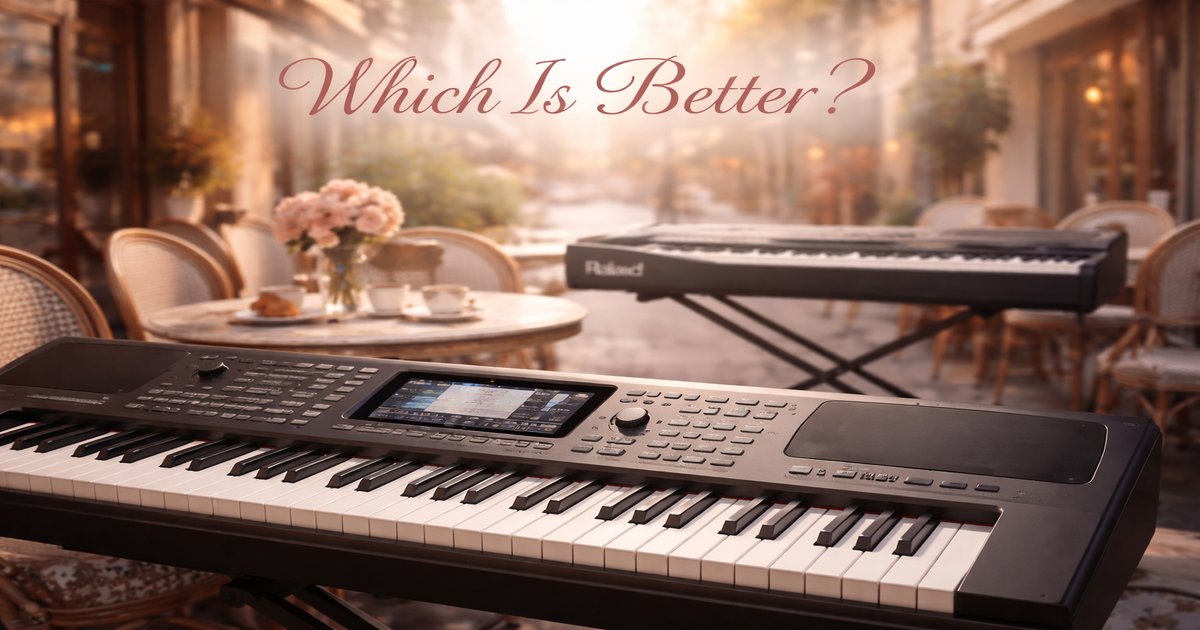
Choosing between a Yamaha and a Roland keyboard can feel like deciding between two top-tier athletes. Both brands hold legendary status, but which one will hit the right notes for your specific needs? Whether you’re jamming in your living room or performing on stage, making the right choice is crucial.
| Specification | Yamaha Keyboard | Roland Keyboard |
|---|---|---|
| Sound Quality | Exceptional | Outstanding |
| Key Action | Graded Hammer Standard | PHA-4 Standard |
| Polyphony | 128 notes | 256 notes |
| Weight | 12 kg | 14 kg |
| Portability | ✓ | ✗ |
| Price Range | $300 – $2500 | $500 – $3000 |
✅ yamaha keyboard Pros
- Lightweight and portable, perfect for gigging musicians.
- Graded Hammer Standard keys offer a realistic piano feel.
- Great value for money, especially for beginners.
- Wide variety of sound options and effects.
❌ yamaha keyboard Cons
- Lower polyphony compared to competitors.
- Build quality can feel less premium.
✅ roland Pros
- High polyphony allows for complex compositions.
- PHA-4 Standard keys provide an authentic playing experience.
- Robust build quality feels more durable.
- Excellent sound engine with realistic tones.
❌ roland Cons
- Heavier, not ideal for frequent travel.
- Higher price point, might not suit budget buyers.
Performance and Sound Quality
When you’re playing a keyboard, sound quality is everything. Yamaha is known for its clear, crisp sound that works well across various genres, making it a versatile choice. However, Roland takes the crown with its superior sound engine, offering richer, more realistic tones that are particularly impressive in classical and jazz performances. If you’re a performer who requires impeccable sound quality on stage, Roland’s sound engine will likely impress you more.
Build Quality and Key Action
Key action is a deal-breaker for many keyboardists. Yamaha’s Graded Hammer Standard provides a decent simulation of an acoustic piano, which is great for beginners and intermediate players. Roland, with its PHA-4 Standard keys, goes a step further, offering a more authentic feel that seasoned pianists will appreciate. On the build front, Roland tends to have a more robust and durable construction, giving it the edge if longevity is a priority.
Value for Money
If you’re budget-conscious, Yamaha wins hands down. It offers a wide range of models at various price points without compromising on quality. Roland, while on the pricier side, justifies its cost with superior sound and build quality. If you’re serious about your music and can stretch your budget, Roland offers an investment that pays dividends in performance and durability.
Yamaha is often the go-to for beginners, but beware of cheaper models that might cut corners on key action and build quality. Roland can be overkill for casual players; its advanced features are best appreciated by those who can leverage them fully. Always consider your actual usage and skill level before splurging.
Our Final Verdict: Which One Should You Buy?
If you’re a beginner or a gigging musician who values portability and affordability, Yamaha is your best bet. It offers great versatility without breaking the bank. On the other hand, if you’re a professional or a serious enthusiast who demands top-tier sound and build quality, Roland is the way to go. Its premium features justify the higher price tag for those who can utilize them.
Are Yamaha keyboards good for beginners?
Yes, Yamaha keyboards are excellent for beginners. They offer a range of models that are affordable and user-friendly, with features that help learners develop their skills.
Do Roland keyboards last long?
Roland keyboards are known for their durability and robust build quality, often lasting many years with proper care. They are a reliable choice for long-term investment.
Is the sound quality of Yamaha inferior to Roland?
Not necessarily inferior, but different. Yamaha provides excellent sound quality that’s versatile for various music styles. Roland excels in delivering more authentic and richer tones, particularly for classical and jazz music.