

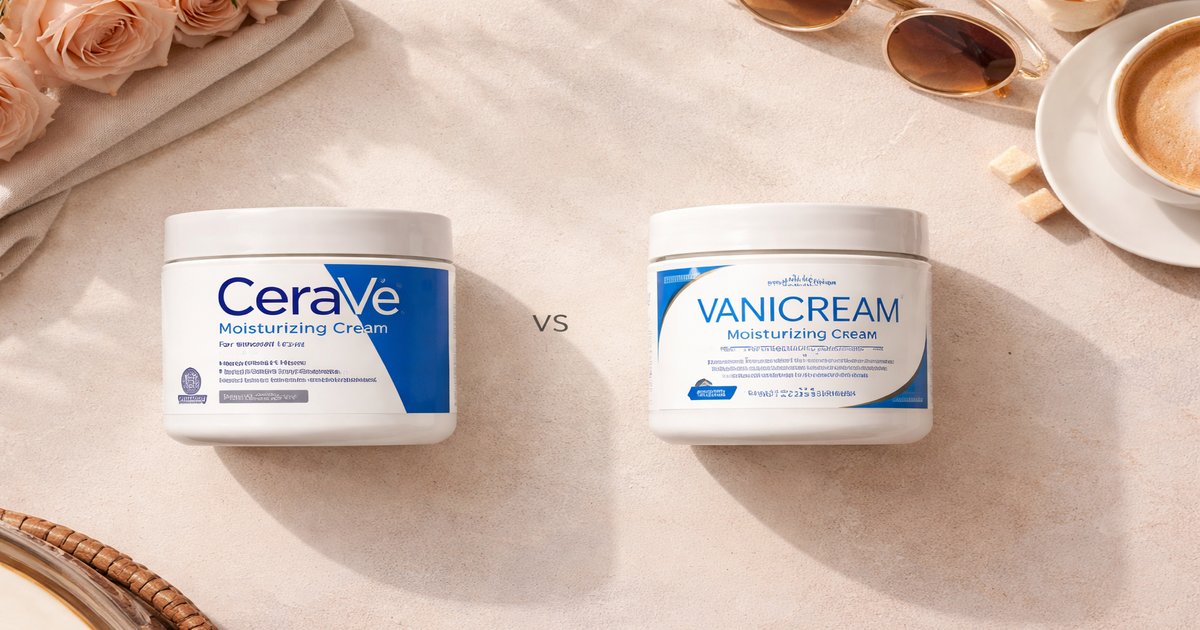
Your skin’s been acting up, and you’re on the hunt for a moisturizer that won’t make things worse. Maybe you’ve got sensitive skin, or maybe you’re just tired of products that promise the world and deliver a breakout. Cerave and Vanicream are two names you’ve seen thrown around. Let’s cut through the noise and see which really deserves a spot on your shelf.
| Feature | Cerave | Vanicream |
|---|---|---|
| Price (8 oz) | $12.99 | $10.99 |
| Fragrance-Free | ✓ | ✓ |
| Paraben-Free | ✗ | ✓ |
| Ceramides | ✓ | ✗ |
| Non-Comedogenic | ✓ | ✓ |
| Hypoallergenic | ✓ | ✓ |
✅ cerave Pros
- Contains ceramides that help restore the skin barrier.
- Widely available and often on sale.
- Non-greasy feel that’s great for daily use.
❌ cerave Cons
- Contains parabens, which some people prefer to avoid.
- Can feel a bit tacky on oily skin types.
✅ vanicream Pros
- Paraben-free and ideal for sensitive skin.
- Affordable and effective for eczema and psoriasis.
- No greasy residue, absorbs quickly.
❌ vanicream Cons
- Lacks the ceramides that some skin types benefit from.
- Not as readily available in all stores.
Performance and Skin Compatibility
Cerave’s inclusion of ceramides makes it a standout for those needing to repair or maintain their skin barrier. If you’re dealing with dry, flaky skin, Cerave provides that extra oomph your skin might be craving. On the other hand, Vanicream is a workhorse for highly sensitive skin. If your skin reacts to everything or if you’re battling conditions like eczema, Vanicream’s minimalistic approach—free of dyes, fragrance, and other irritants—might be your holy grail.
Build Quality and Ingredients
Cerave’s formula is built on a foundation of dermatological science, leveraging ceramides and hyaluronic acid to boost hydration. This makes it a bit more complex, which is both a strength and a weakness—it does more, but has more potential irritants. Vanicream keeps things simple but effective, with a focus on minimizing irritants, which is reflected in its short ingredient list. It’s a no-nonsense option but lacks some of the advanced ingredients that Cerave flaunts.
Value for Money
When it comes to bang for your buck, Vanicream is the more budget-friendly option, especially if you’re just looking for a straightforward moisturizer that soothes without complications. Cerave, while slightly pricier, offers more in terms of barrier-restoring ingredients. If you’re balancing a tight budget with the need for more advanced skincare, weigh your priorities carefully. Both deliver great value, but your specific needs will tilt the scales.
Both creams are reliable, but there’s a catch: Cerave’s formula may not play nice with everyone due to its parabens. Meanwhile, Vanicream’s simplicity is a double-edged sword—it’s gentle but may lack some of the restorative qualities of its competitor. Know your skin’s needs before committing.
Our Final Verdict: Which One Should You Buy?
If you have sensitive skin that flares up at the slightest provocation, Vanicream should be your go-to. It’s gentle, effective, and won’t break the bank. For those looking to restore their skin barrier and want a bit more action from their moisturizer, Cerave is worth the extra bucks. Choose wisely based on your skin’s specific needs.
Is Cerave suitable for acne-prone skin?
Yes, Cerave is non-comedogenic and contains ceramides, which can help repair the skin barrier, making it suitable for acne-prone skin.
Can Vanicream be used for facial moisturizing?
Absolutely, Vanicream is gentle enough for facial use and is great for those with extremely sensitive skin or conditions like eczema.
How long does each product last?
Both products, when used daily, typically last about a month for an 8 oz bottle, but your mileage may vary depending on usage.