

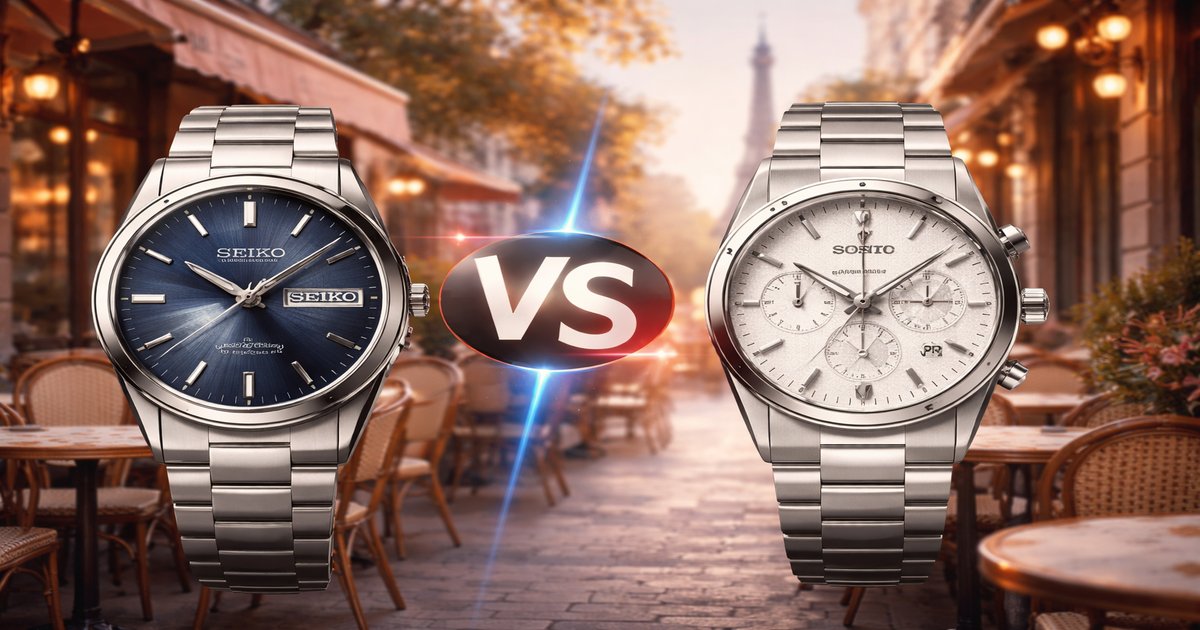
You’re at a crossroads: Do you go for the timeless elegance of Seiko or the Swiss precision of Tissot? Both brands have fiercely loyal followings, but which one truly deserves a spot on your wrist? Let’s break it down so you can make an informed decision.
| Feature | Seiko | Tissot |
|---|---|---|
| Country of Origin | Japan | Switzerland |
| Movement Type | Quartz, Automatic | Quartz, Automatic, Powermatic 80 |
| Price Range | $100 – $3,000 | $200 – $2,500 |
| Water Resistance | Up to 200m | Up to 100m |
| Smartwatch Options | ✗ | ✓ |
| Warranty | 3 years | 2 years |
✅ seiko Pros
- Exceptional craftsmanship with a rich history in horology.
- Better water resistance for diving enthusiasts.
- Offers a wide range of styles and price points.
❌ seiko Cons
- Lacks smartwatch options for tech-savvy users.
- Some models can be bulky and heavy.
✅ tissot Pros
- Swiss-made movements offer high precision.
- Includes innovative Powermatic 80 movement for longer power reserve.
- Smartwatch options available for modern needs.
❌ tissot Cons
- Generally less water-resistant than Seiko.
- Shorter warranty period compared to Seiko.
Performance and Movement Quality
When it comes to movement, Seiko holds its ground with reliable quartz and automatic options that have stood the test of time. The brand’s legendary Spring Drive technology is a marvel, though it comes with a hefty price. On the other hand, Tissot’s Powermatic 80 offers an impressive 80-hour power reserve, appealing to those who want less frequent winding. If you’re all about cutting-edge precision, Tissot might just edge out Seiko here.
Build Quality and Design
Seiko is renowned for its robust build quality, with models that are often praised for their durability. Their dive watches, like the Seiko Prospex series, are especially revered. Tissot, however, exudes a classic Swiss elegance, with meticulous attention to detail. While both brands offer a variety of designs, Seiko tends to cater more to those who prioritize functionality over flair.
Value for Money
Seiko offers a broader range of prices, making it accessible to both beginners and seasoned collectors. Its entry-level models are often praised for punching above their weight in terms of quality. Tissot’s offerings are competitively priced for Swiss watches, but if budget is a concern, Seiko provides more bang for your buck, especially in the lower price tiers.
While Seiko offers better water resistance, don’t expect all models to be dive-ready. Tissot’s smartwatch capabilities are a plus, but the functionality might not match dedicated smartwatches. Both brands have some heftier models, so make sure to try them on if wrist comfort is a big deal for you.
Our Final Verdict: Which One Should You Buy?
If you’re an enthusiast who values heritage, craftsmanship, and a robust build, Seiko is your go-to. It’s perfect for those who love a watch with a story and don’t mind a bit of bulk. Meanwhile, if you’re after Swiss precision, innovative movements, and a touch of modern tech, Tissot is your best bet. It’s ideal for those who appreciate elegance and a bit of contemporary flair in their timepiece.
Is Tissot better than Seiko in terms of accuracy?
Tissot generally offers more accurate movements due to its Swiss heritage, but Seiko’s Spring Drive technology is also extremely precise.
Can Seiko watches be used for diving?
Yes, many Seiko models, especially the Prospex line, are designed specifically for diving with water resistance up to 200m.
Do Tissot watches offer good value for money?
Yes, for Swiss-made watches, Tissot offers competitive pricing, although Seiko may offer better value at the lower end of the market.