

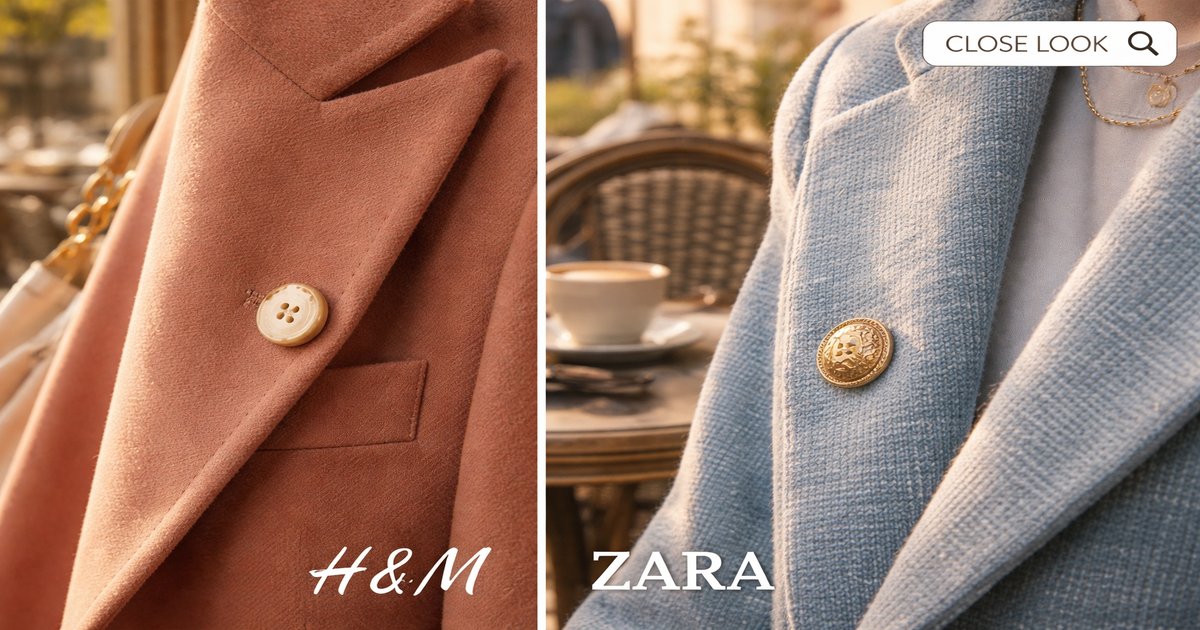
You walk into your closet and wonder if your wardrobe truly reflects your style and comfort needs. With H&M and Zara as popular choices for fashion-conscious individuals, deciding between the two can feel like picking a favorite child. Let’s break down their quality differences to see which deserves your hard-earned cash.
| Feature | H&M | Zara |
|---|---|---|
| Average Price Range | $10-$50 | $20-$100 |
| Material Quality | Basic Cotton, Polyester | High-end Cotton, Wool Blends |
| Trendiness | ✓ | ✓ |
| Durability | ✗ | ✓ |
| Sustainability Initiatives | ✓ | ✗ |
| Size Variety | ✓ | ✗ |
✅ h&m quality Pros
- Affordable for budget-conscious shoppers.
- Wide variety of sizes to cater to different body types.
- Strong focus on sustainable fashion initiatives.
❌ h&m quality Cons
- Materials can feel cheap and less durable.
- Quality control issues with stitching and fit.
- Basic designs that may not stand out.
✅ zara Pros
- High-quality materials that feel luxurious.
- Trendy designs for fashion-forward individuals.
- Better durability, offering longer-lasting garments.
❌ zara Cons
- Higher price point, not ideal for tight budgets.
- Limited size range, often excluding plus sizes.
- Less focus on sustainable practices.
Performance in Everyday Wear
You want clothes that can handle the daily grind without falling apart. H&M might seem friendly to your wallet, but if you’re wearing an H&M t-shirt on a regular basis, you’ll notice it starts to lose shape and color after a few washes. Zara, despite the higher price tag, offers a more robust experience. Their shirts and pants tend to retain their fit and feel, even after multiple washes, making them a better choice if you’re looking for longevity in your everyday wardrobe.
Build Quality and Material
When it comes to build quality, Zara takes the cake. Their use of high-end fabrics like wool blends and premium cotton translates to a smoother, more refined feel. H&M, on the other hand, sticks to basic cotton and polyester, which can come across as rougher and less sophisticated. If you’re planning to wear an item frequently, Zara’s build quality is more likely to stand the test of time and give off a more polished appearance.
Value for Money
Value is where the debate gets interesting. H&M offers great value for those on a tight budget or looking for temporary fashion fixes. Their price reflects their quality, making it ideal for disposable fashion needs. Zara, though pricier, gives you garments that last longer and feel more luxurious. If you consider cost per wear, Zara can ultimately provide better value, especially if you’re someone who prefers timeless over trendy.
H&M’s sustainability initiatives are commendable but can feel like a marketing gimmick when the product lifespan is short. Zara’s sizing can be frustrating, especially if you’re not the standard body type they seem to cater to. Both brands have room for improvement, so choose based on what compromises you’re willing to accept.
Our Final Verdict: Which One Should You Buy?
If you’re a student or someone who loves to update their closet without breaking the bank, H&M is your go-to. Their affordable range and size inclusivity make them accessible for everyone. However, if you prioritize quality and longevity, Zara is the clear winner. It’s ideal for professionals who need their wardrobe to work as hard as they do, offering stylish options that endure.
Is H&M’s clothing true to size?
H&M generally offers a wide size range that fits true to size, but always check the specific item as there can be inconsistencies.
How long does Zara clothing usually last?
Zara clothing tends to last longer due to better quality materials. With proper care, their pieces can maintain their look for several seasons.
Are either of these brands sustainable?
H&M has more visible sustainability efforts, such as their Conscious Collection, but Zara lags behind in this area.